Published by Michael Seidel
Science fiction, fantasy, and mystery writer. Singer (sorry, no shows) & nudist (in my home). Beer, cat, cheese, coffee, pie and wine friend. Left IBM and Silicon Valley for the southern Oregon life but I miss the ocean. We're too far inland. Gotta move.
View all posts by Michael Seidel

 Michael Seidel, writer
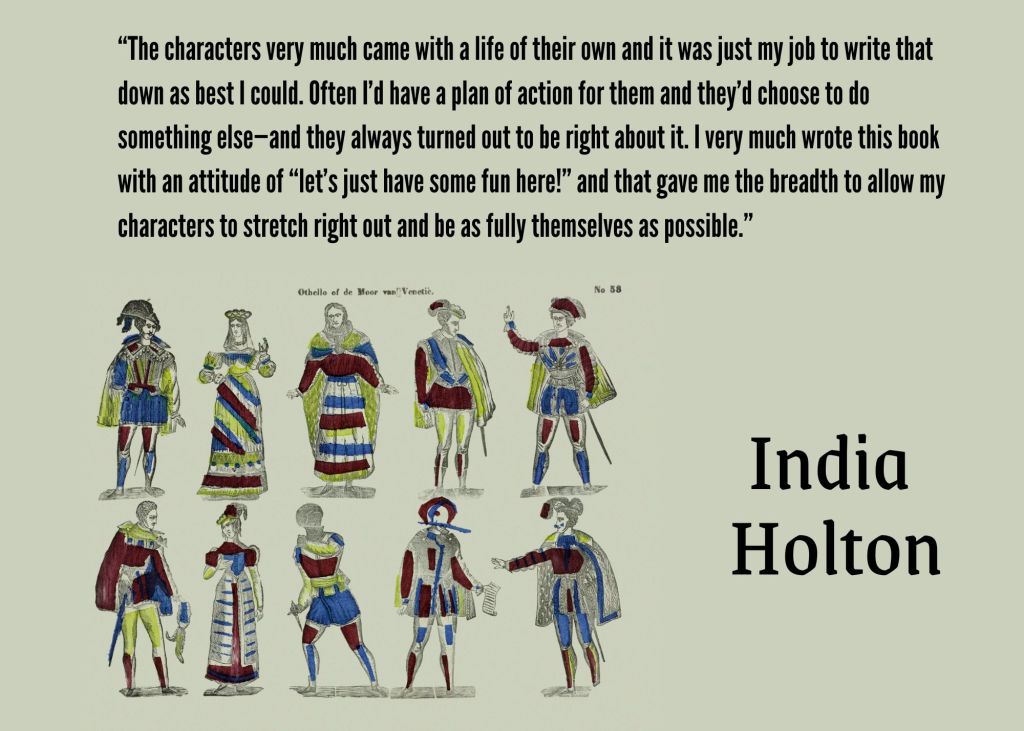
Hi Michael. How do you know when a character is speaking and when you are pushing your words on them. Sorry I may be out of line but authors create such characters that seem to have a life of their own … but when and how does it show when the author is forcing the character to say something the character doesn’t want to. It is jarring to me as a reader when it happens in a story, but as an author how do your characters say to you … sorry no boss that is not what I would say or how I would react? Thanks. I am not an author and if this is a trade secret please disregard the question. Hugs. Scottie
LikeLiked by 1 person
Hey Scottie, I think it’s different for each writer. But for me, if I try forcing words or actions onto a character, they shut up and stop doing things. Bad feeling, because then you know you’ve gone in a wrong direction and you need to go back and fix it.
Rarely happens, though. Once I’ve begun witing something, the characters do their own thing. I often feel like I’m watching, listening, transcribing, not creating. It makes editing and revising an interesting process because it frequently seems new to me. Yet, I can tell you the story.
Thanks for the interest. Always fun to write about the writing process. Hugs ‘n cheers, M
LikeLiked by 1 person