Don’t Anger the Muses

I love it when I get in here to write, and I seem to know exactly where to begin and what to type. Little thinking is demanded; it’s just go, go, go. 

I know it’s not from ‘nowhere’ or some mysterious regions of my brain, or a gift from the muses. Truthfully, I’m agnostic. I’m not going to be categorical and say that it isn’t the muses. Maybe it is. Don’t want to outrage them by denigrating their contribution, you know. If it is due to the muses and they cut me off, I’d be bereft.

In my defense, I know that I stopped in the middle of a scene yesterday. I was following a trend. Once I’d shut down and was walking, thoughts arrived about what to do. Walking frequently acts as a laxative on my thinking, out there, going somewhere that only requires me to think, left, right, left, right — which out for the bus — permits to me to think.

I’d not been planning my thoughts and wasn’t actively thinking about the novel in specific ways. It was more a part of multi-streaming that I often do, especially while walking, surfing a little of one before jumping to another. This idea popped up, found its roots, and grew. More grew, developing new angles, as I showered and shaved this morning.

I guess it’s probable that I was thinking, but the muses were directing the streams and deciding what came to what. How’s that for a compromise?

Got my hot coffee. I’m in my chair. Time to write again, at least one more time.
 

Temptations

It’s hard staying disciplined today. I’m going through through my monthly cycles*, and I’m on a creative high. Sounds good, but…

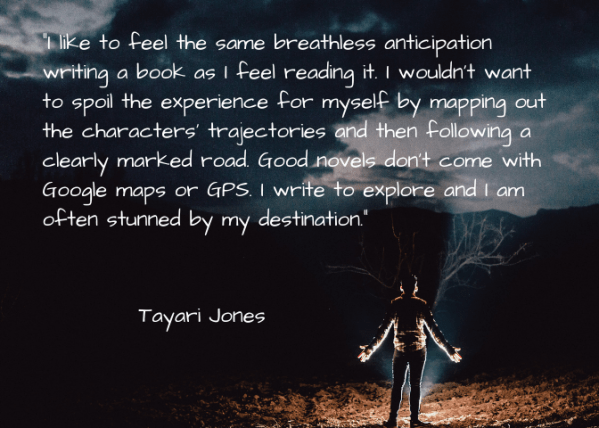
My imagination has too many ideas about the novel in progress, rendering the process more difficult and challenging. Through my muses or myself, I’m besieged with new what-if scenarios. Each demands to be considered and incorporated, or discarded. Once a path is chosen, my fingers dash over the keyboard in mad hammering. As scenes and chapters are finished, new ideas jump in again.

The problem isn’t having ideas about the story or characters, or a writing block. The problem is that there’s so many ways to tell the story, so many choices about what to write. It seems like an enviable situation. Don’t be fooled. Knowledge gleaned from writing other novels has informed me, too many ideas can end up with a messy, messy novel. I know that I can write it all up and edit and revise, but I think that writing along the wrong paths dissipates the novel’s essence. Besides that, my puny brain struggles to keep everything straight. Adding more complications…well, complicates that process. The challenge is to find the best path and keep focused on it despite the temptations to stray, and some of them are very, very tempting.

Got my coffee. Know what time it is? Yep, time to write like crazy, at least one more time.

Note: my spectrums – the mood shifts from happy and optimistic, to dark and pessimistic and the energy levels that rise and fall – seemed monthly, perhaps driven by hormones, tides, or some other causes. My imagination runs on like cycles, as do my emotional and physical energy. Yes, some call this all hokum, others think of them as pseudo-science, but it’s something that I experience. Being aware of them helps me manage the dark times.

Wobble Like Crazy

I’m back in the writing space following some unpleasant medical issues. In the last three days, I’ve averaged two thousand words each. It’s delicious to feel like I’m moving forward, no matter how word counts fall upon the writing spectrum in regards to their importance. I didn’t plan any word counts but they’re proof of something happening, a minor validation that I’ve been doing more than daydreaming.

After some arguing with the muses, me interrogating them to explain every thread, decision, and insight, and them laughing at me, I followed their instructions to, “Just write.” Some of the writing could be permanent but some of it might be delicately sculpted away or blown away with heavy explosives. Doesn’t matter. What I’ve written before during other writing projects may not help me this time. Each time that I write another novel, it’s a new adventure in learning how to be a better writer. I must write to have the material to shape, an interesting cycle. Write, edit, write, re-write, write, revise…where am I?

Well, I’m on the novel-writing spectrum. I slide along, following paths, retracing, forging new paths, falling off cliffs, and climbing back up. So it goes until there’s finally enough coherency for a novel to take shape, and then, finally, enough satisfying story in a reasonable order arrives, and then, at last, I pick a place where it can be comfortably ended with reasonable reward for readers who ventured through my thicket of words.

Can you say run-on?

I’m permitted a cup of coffee a day. I apply my allowance to my writing.

Illness is depressing, not because I have it, but because of its limitations. Bending down to pick up a piece of paper, scratch a cat’s chin, or put on my shoes and socks is slow and tedious and brings a measure of stinging discomfort. Walking remains uncomfortable and difficult, but not impossible. Of course, I have a history of rushing the healing processes. Press on, regardless, right? When I had a broken neck on Okinawa and wore a halo device, I pushed to go back to work and ended up dislodging that metal mother twice, sending me back into hospital. Anyway, I wobble around at a slow and careful pace, watching the ground to find the threads and seeds that the muses leave, then trying to parse their guidance.

Yeah, just write, baby. Stop critiquing, doubting, wondering, fearing, worrying, and questioning. Just get ‘er done. Pitter-patter.

Done writing like crazy for at least one more day. Sloshy, my drain-collection bag resting against my calf, is filled. Time to wobble on and empty him.

A Modified Process

I live now with a catheter in my bladder, draining my urine into a bag that I drain several times a day. I have a night bag and a leg bag. The holding bags and their tubes offer their own challenges about swapping and draining them. Given the catheter’s retention location on my upper thigh, it also makes bowel movements an interesting exercise. Bending and walking are also problematic.

Getting the catheter in was an experience. Living with it is another. Having it helps me respect the medical events and treatments that people endure. I’ve had it good as such things go. Although they sound like they’re something — broken and displaced wrist, broken neck, stitches in my skull, ear lobe stitched back on, hernia, toe-tip cut off by a lawnmower, bronchitis, mono, broken ankles, broken teeth, etc. — they’re small things in the greater order of existence and endurance. Better, they’re temporary, with end dates.

Our warfare kills on large, constant scales, and the warfare results in people without limbs, scarred by burns, and shattered by trauma. Many people endure chronic or terminal diseases, relentless illnesses that erode their strength and energy, chipping away from who they were and what they could do, haunting them until they’re dead. Others are abused and betrayed, resulting in destroyed mental and emotional faculties. Others are born with handicaps and genetic deficiencies. I’m fortunate. My afflictions are short-lived and allow me to observe and learn from them.

This catheter is expected to be in me seven to ten days. It impacts my writing process because I can’t walk as I’ve done for lo these several years. Yet, I have to write. I must find a way to sit down and put words into the computer. I’ve not written in four days. The need doesn’t go away. It builds as the muses feed ideas that I explore. Scenes explode into my mindscape. Dialogue is heard.

I originally developed the write and walk process to enable my writing efforts in my military career’s final year. I expanded on it when I was working for startups, and then for Tyco and IBM, the companies that swallowed the startups, carving out time for myself and putting writing as a higher priority in my daily to-do list. I needed a process to remove me from sales, marketing, and product development, and put me in a frame of thinking to create fiction.

A new process is needed because the dream and desire to write remains. Got my hot tea. I’m in my home office. A cat is snoring nearby. Another is asleep on my feet. Time to write like crazy, at least one more time.

This Phase

I began a new novel project at the beginning of the new year, April Showers 1921. I’m in the exploratory phase. While the character, story, and its cover popped up in a dream, and I can see it and hear the characters and story, sometimes ‘watching it’ like I’m seeing it on a television or movie screen. Then I’m scrambling to capture all the details, translate them to words, get the order right, and get it on paper.

It’s difficult. The pace is fast and relentless. My brain power lacks the capacity to absorb it.  Stopping to do and enjoy other things is hard because novel scenes are always popping out. Details spring into mind in the middle of conversations with other people. When I’m in an actual writing session and everything is channeled into a coherent order, the inexorable flow quickens. The faucet is opened but I have no control over the volume that pours into me. Becoming intense and exciting, I fall behind again, forcing me to break off and pace to regain control, take a deep breath, and go at it again.

I also want to jump ahead to learn more about the villains. They intrigue me, but my muses are being coy about them. They offer tantalizing glimpses but won’t let me see the whole thing yet.

Yeah, weird, but it’s my process. If I could, I’d just stay here with this novel, hour after hour, watching, listening, shaping and writing. I’d probably deprive myself of sleep and exercise, but not coffee, water, and food – a man needs to know his limitations.

I remind myself of my basic writing approach.

  1. Discipline: write every day.
  2. Patience: it’ll all come. Just keep writing.
  3. Persist: stay with the story and keep moving it forward.
  4. Write like crazy: capture what I can as I can, and then edit, polish, revise, and re-order scenes and paragraphs as necessary.
  5. Finish. The goal isn’t just to write but to tell a story in a novel.

These sessions leave me spent, as you can probably understand. I vex others because most energy is being diverted into writing this novel while I submit my last finished work to agents in search of publication.

The coffee shop is closing, and they’re kicking us out. It’s their usual Sunday thing. Done writing like crazy, at least for now.

Rough Diamonds

I’d hoped to have finished editing An Undying Quest, the fifth novel in the Incomplete States series by yesterday. Only two chapters, forty pages remained three days ago.

Issues were encountered. The chapters suffered from being the last ones written. As the final chapters, they’d not been polished, edited, and revised as the others had. They were raw, beta chapters. They needed work.

Among the issues encountered were a brief POV change and a few matters of grammar and punctuation. Dialogue needed tidying, but most critically, details were needed.

I love reading details in novels. I think they often add immense value. That’s how I tend to write, then. Not in the beta draft, though.

In writing’s first rush, I capture scenes and action, coloring in broad, fast strokes. It’s an intense rush. They’re here, they’re there, they did this, and then that, which resulted in this, but unexpectedly —

The writing is bang, bang, bang, bang. Even when they’re action scenes, more is required after that first rush to help the scenes breath and flow together. Sometimes changes are required to adjust to the characters’ past, and sometimes continuity matters exist.

I instantly realized that I’d not polished the chapters. The difference was clear because the reading cadence was mildly askew. That realization tempered my approach. I read both chapters completely before doing anything except fixing the most basic errors in spelling, punctuation and grammar. Everything else was left untouched until I knew the entire picture. After reading them, I’d established strong ideas about what to addressed, and then began reading, revising, and editing the chapter again.

So, An Undying Quest isn’t fini yet. I’d hoped to complete it by Christmas, and then by the end of the year. That may still happen today. I won’t rush it. I don’t want to be hasty or lazy. Number one, I enjoy the process. Number two, I don’t want to sabotage myself for such a silly, random idea as a self-imposed deadline.

Time to edit and write like crazy, at least one more time in 2018.

A Reminder

I was down yesterday when I began my writing and editing session. I’m still editing Book Five in the Incomplete States series, An Undying Quest. Halfway through it, I was bummed about what I was reading. I thought, man, I have some work ahead of me to fix these issues.

I didn’t feel like addressing those issues, so I made notes, and continued editing, working on subsequent chapters. When I did, I discovered that those chapters addressed the holes and plot issues, and fixed them.

I was friggin’ astonished. Thinking back to then, I remembering writing and arranging the chapters. I hadn’t realized I’d done this. By that, I mean, I knew that the story went sideways at that point. I knew it as a deliberate choice. I didn’t appreciate how sideways it went. I do remember thinking hard about it, recalling Part One of The Sound and the Fury (Faulkner, 1929), a book that I strongly admire. Back when I first read that novel in sixth grade, I remember gritting my teeth and thinking, “WTF? This is crazy.” Finishing Part One was challenging. But everything is illuminated (sorry,  Foer) with the subsequent parts. So I thought, be brave. Do it.

Now, after editing it, once I grit my teeth through the doubted chapters, the rest are magically explained. It comes together.

It’s not the first time I’ve done something like this. A friend, after reading one of my novels, said that he’d created a list of questions about things that bothered and confused him, then he said, “I was amazed because you brought it all together.” I loved that feedback.

So, I’m hanging with it as written. We’ll see if it makes publication, or what changes come about from outside feedback.

Meanwhile, it’s a powerful reminder that when editing, go through the whole damn manuscript before addressing any major changes. I specifically decided to edit the entire series before having any of them edited or read by another because the series is organic. Events opening in the first chapters of the first book are resumed in subsequent chapters and books. Changing one means hunting down and addressing those changes in other chapters and books. It has multiple points of views and storylines. It’s a complicated exploration. Events and decisions are rarely fully explained, as I like inviting readers to take the information and conceive the answers.

The series was originally conceived as a single, fat novel. I felt breaking it apart into eras of growing awareness and development lends itself to telling the story. I was also aware of my wife and her friends’ complaints about holding up large books to read, yes, even in this era of digital publishing.

Time to write and edit like crazy, at least one more time.


Blog at WordPress.com.

Up ↑