Jeffery Said
Science fiction, fantasy, mystery and what-not
Seven triple four began doubting his mission. The Kazmo believed he had a special insight into where the other versions of him resided. The Kazmo were correct, although it wasn’t as easy as they perceived. The silver machines didn’t know or understand that many of his other versions were fakes. Usually existing for about fourteen minutes, triple four suspected these other versions existed to distract the Kazmo and their resources.
That fact scared triple four. If he was right, his other selves knew about the Kazmo and their project.
They probably also knew about him, too, then. But if they knew about him, it could be that the fake others might only exist in his perceptions.
What he needed was a way to figure this out. If he couldn’t, he didn’t have a reason to exist.

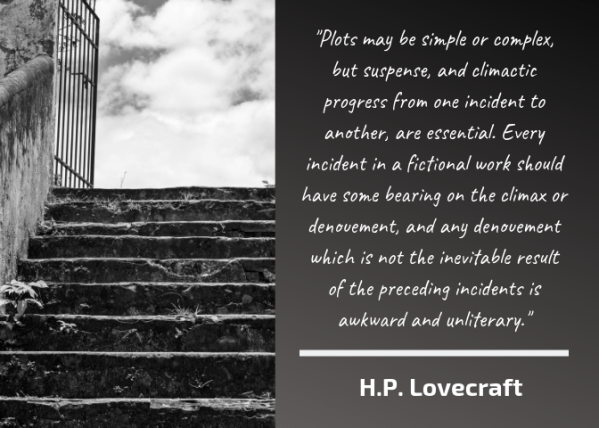
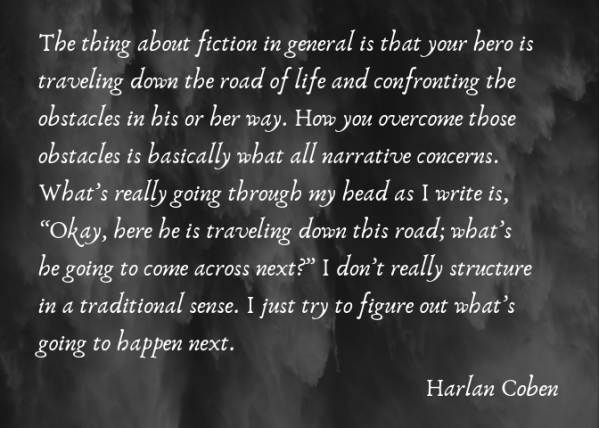
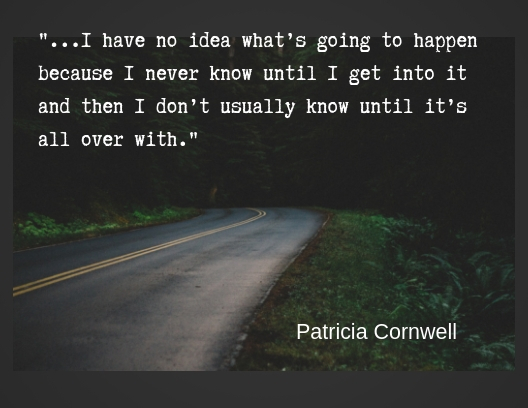
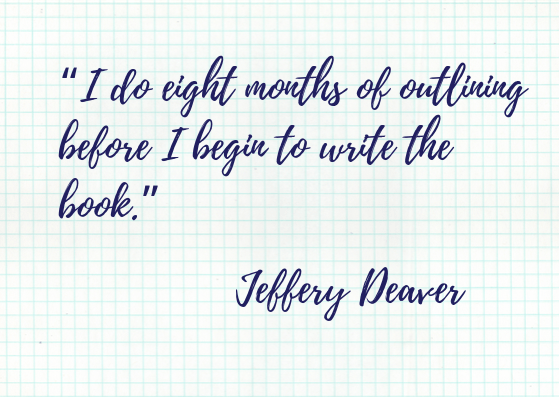
I often think about what might come next in my WIP, plot arcs, character growth, scenes, and dialogue. Sometimes I use what’s produced but I frequently go with something that erupts in my head when I sit down to write.
Got my coffee. Time to write like crazy, at least one more time.
Thinking about what I’m doing in my writing and thinking, and writing and posting to understand what I’m thinking and writing.
See, I had to leave my characters behind and scale the walls once again. First I did it while I was walking, but once I glimpsed the territory, I needed to map it out on paper.
I don’t know if you’re familiar with the walls. I’ve never heard other writers use the expression as I use it. The walls establish the characters’ limits of knowledge. They’re different for each character — all remember, realize, experience, or know different aspects than others.
Beyond the walls are the other events taking place that will affect the characters. How much is happening and what you, the writer, decides to share, depends on the story you’re telling. For examples, walls are frequently employed in sitcoms. One character establishes some half-ass fact or understanding predicated on misheard or overheard information, or glimpse something and make a wrong assumption, initiating a chain of misguided decisions. We, the audience, knows what’s going on beyond the wall. That sets up the humor.
We see the walls in the Jason Bourne movie franchise, where many walls are employed, torn down, or penetrated. Secrecy, security, dirty histories, and personal agendas establish and maintain the walls.
In this series that I’m writing, I use multiple walls. A huge part of what’s going on is happening beyond the walls. It’s stuff that wasn’t told to the characters or the readers. Now, though, the characters are storming the walls. They’re planning to tear them down, so I need to go see what’s happening on the other side. To get to that point, I pulled out pen and notebook. I resort to this methodology when I’m going my craziest. Pen and paper is less permanent, and more fluid and malleable. Typewritten words on screen or paper demands grammar, punctuation, and spelling be followed from years of conditioning. The notebook and pen shouts, “Scribble fight!” And off I go.
Got my coffee, and in position. Time to write like crazy, at least one more time.