Floofpell

Floofpell (floofinition) – Urge or drive forward or on by an animal’s exertion, coercion, or insistence to do something. Origins: from Middle English, derived from Latin. First noted use 15th century.

In Use: “Intimidated by the cat, the dog was floofpelled to surrender the pet bed, even though he outweighed her by fifty pounds.”

In Use: “Many cats seem to learn early how to floofpell people to get up and let them in or out of the house, or to feed them in the middle of the night.”

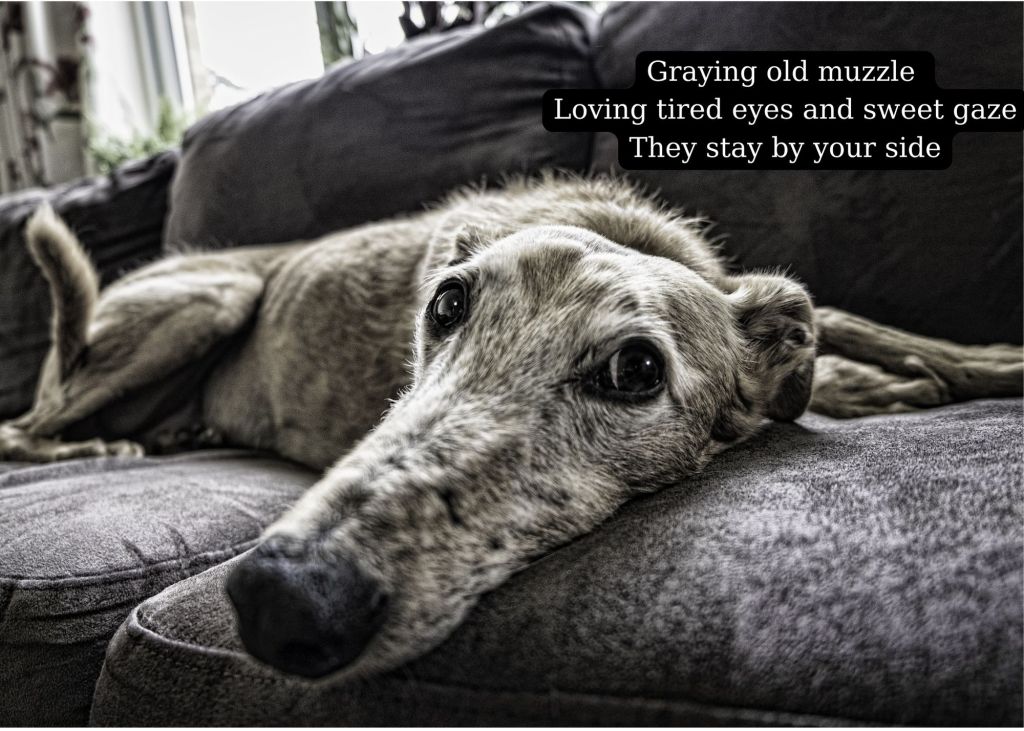
Recent Use: “Animals often effectively employ ‘doe eyes’, a hopeful, charming gaze, to floofpell people to do things for them.”

Floofbbing

Floofbbing (floofinition) – Ignoring someone with you and and giving attention to animals instead. Origins: 2020, United Kingdom.

In Use: “As the pandemic took over 2020, many people forced to stay home became more interested in animals, especially housepets, and floofbbing, which was aready frequently a de facto issue in many homes with pets, began to rise, affecting relationships among people.”

Recent Use: “Reading about floofbbing and its impact on relationships, Michael realized he was also guilty of wriubbing (the i is silent), ignoring someone and giving attention to writing instead. But then, he rationalized, people were also guilty of gaubbing — ignoring others to play games — and reubbing: reading or paying attention to a book instead of another person with them. Hell, there were probably problems with coubbing (computers), chiubbing, too, which would be children, and even trumbbing, ignoring another to focus attention on former POTUS Donald Trump.”

Flooftimist

Flooftimist (floofinition) – A person inclined to be hopeful about animals and to expect good outcomes for animals. Origins: 1759, England.

In Use: “The big black dog was found sick, injured, and undernourished, lying in his own filth in bushes by the side of a busy road. Vets said that the best thing to do was euthanize him, but the dog kept looking at Marcia and wagging his tail, bolstering the flooftimist in her. Finding another vet willing to try to save the dog, six months later, she had a new best friend.”

Recent Use: “With emerging health and medical practices, more people are flooftimists, locating and helping stray, feral, and abused animals around the world in a growing global network of animal activists and friends.”

Writ of Floofamus

Writ of Floofamus (floofinition) An animal’s order to another animal or human to perform a duty or correct a situation. Origins: first used by English pets and animals in the early seventeenth century.

In Use: “Many people with pets are familiar with getting a writ of floofamus after the floof thinks their food or water bowl is perilously empty, or if they believe their feeding time has passed.”

In Use: “Finding the cat in his bed, Bogart barked out a loud writ of floofamus for Becall to leave his bed, an order which Becall ignored, forcing Bogart to take the writ to his people for enforcement.”

Recent Use: “On the Monday morning which started his second week as a rescue living with the Thompsons, Napoleon — aptly named, though it was a whim — marched into the bedroom, jumped on the bed, walked up to sleeping Beverly, vigorously tapped her nose, and when she opened her eyes, issued his first writ of floofamus for breakfast, all recorded by a security camera and posted to social media.”

Floowallick

Floowallick (floofinition) – Animal’s effort to simultaneously walk and wash or lick itself, often after eating wet food, drinking milk, or the like. Origins: Flang (floof slang) first noted on the Internet in the United States circa 2010.

In Use: “Videos of saved animals such as cats floowallicking with a contented expression after a satisfying meal often draw large numbers of ‘likes’ on Facebook posts and Youtube videos.”

Recent Use: “Watching her Chihuahua finish his food and slowly floowallicking afterward, eyes almost closed, Cara laughed with new delight and love for her small furry soul mate.”

Floofogony

Floofogony (floofinition) 1. An account of floofs’ origins on Earth. Origins: Poem of 1022 lines by Floofsiod, written about 1026 BCE.

In Use: “Few humans have been granted access to the Floofogony, a document which is precious to animals and kept in the Fortress of Floofitude in an undisclosed place which is said to exist in an area of Earth inaccessible to humans.”

Recent Use: “Although many societies offer greater recognition that animals are not dumb and do have feelings and are capable of more intelligence than previously credited, the idea of a document such as the Floofogony is usually roundly mocked.”

2. Anguish of any sort felt about the loss of an animal or an animal’s situation. Origins: middle-english, first known use in fourteenth century.

In Use: “When their dog raced out of the yard after his bath, immediate floofogony was felt by all the family members even as they scrambled to put on their shoes, get in the car and find her.”

Recent Use: “With the Internet showing more about animals across the spectrum helping one another or asking humans for help, more people experience floofogony as they read stories or watch videos about animals being dumped, abused, or in need of medical intervention after accidents.

Floofdischronia

Floofdischronia(floofinition) Mental condition which causes people to lose time to spending time learning about animals or interacting with animals. Origins: Greece, 1671.

In Use: “Greek doctors responded to a crises of economy by examining how humans and floofs engaged and soon found that animals exerted a hypnotic hold on many people of a certain disposition, causes sch individuals to forget about time or deliberately ignore it to stay with animals, a condition which the labeled floofdischronia.

Recent Use: “The pandemic hitting U.S. shores in 2020 brought a precipitous rise in floofdischronia for several years, even impacting the U.S. economy as people chose to quit working to stay home with their pets.”

Après-petting Cleaning (APC)

Après-petting Cleaning (APC) (floofinition) – The fur cleaning required after a human touching a floof’s fur after the floof has just finished cleaning it. Origins: US, derived from French. First use observed in 1960.

In Use: “Barney had just finished cleaning his fur and was settling in for a nap when Meg came him, saw him, and came over, burying her face in his side’s fur as she covered him with smooches, forcing Barney into a vigorous après-petting cleaning.”

Recent Use: ‘Carla’s Instagram account is a popular place, with many people tuning in to see what her cats are doing, especially when she forces them into après-petting cleaning by touching the cats on their backs while saying, “Doink.”‘

Cogfloofscente

Cogfloofscente (floofinition) – A person who has expert knowledge of an animal or group of animals. Origins: borrowed from Italian with roots in Latin cogfloofōscere. First use observed in 1786.

In use: “Insperable from one another, Naia was a cogfloofscente of Lucky, claiming to know everything the floof’s expression showed and understand every sound the animal made.”

In use: “Familiar with routines, habits, and predilections, Corvette was a cogfloofscente of his family of humans and their close friends, taking advantage of them to get treats, belly rubs, and laps.”

Recent use: “In the first year of COVID sheltering-in-place guidance, many people and their floofs became cogfloofscente of the others, recognizing not just what made the other happy or upset, but also effectively comforting the other.”

Blog at WordPress.com.

Up ↑