The Writing Moment

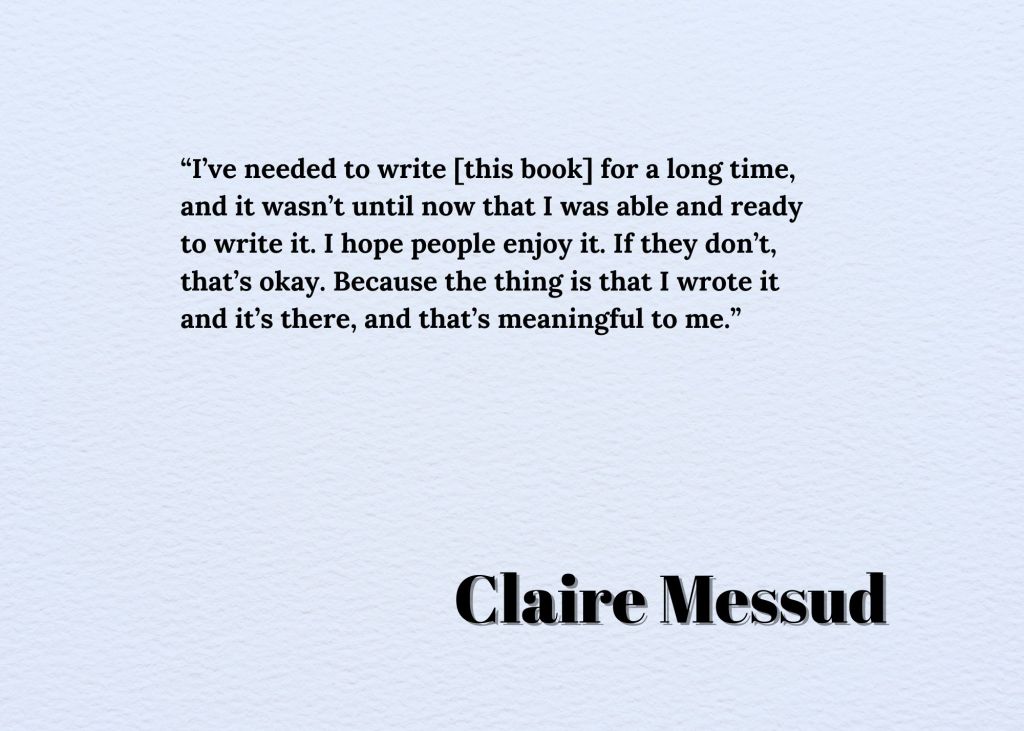
Back into the groove again, my little chicklets. I reduced my writing time while I was in Pittsburgh visiting and helping Mom, especially so in the final week. Figured I’d gone there to visit with her, so I needed to shift priorities and reduce my writing (grimace, grimace) and pay attention to her and her life. But now I’ve returned to Ashlandia and the writing and editing scene. Up to page 508 of 590, or over 86%. Probably complete it by week’s end.

And then I’ll turn around and begin again. Number 7.

Each time has felt good, like I’ve progressed in the story telling, and improved the elements. Of course, I’m the mother, so what else would be expected of me but to have pride in my baby? I’m also terrified because what if I’m totally wrong about what I’ve written and I’m deluding mysef about it, and it’s actually a stinking pile of garbage?

I don’t know how much it really matters about its quality. I’m having fun, meeting the challenge, and pressing on.

And that’s what I set out to do.

Cheers

The Book Dream

This was a chaotic dream, almost fractured, with abrupt shifts. It began with me running around a city. It reminded me of downtown Pittsburgh, PA, at the point, because of all the on and off ramps and intertwining roads and multiple bridges. While cars were zooming around, I was on my feet, jumping and darting from place to place.

“I need a car,” I told myself. “A vehicle, so I can get going.” At this point, my dream was giving me a heroically backlit presentation of a younger me standing on a white cement onramp looking toward the city.

With dream insights, I knew I wanted/needed a car because I had to cover a lot of ground. I was looking for books, and books could be anywhere.

This set up a set of scenes of me finding a car, driving, getting out of the car, and looking and discovering a book. It seemed like I did that a bazillion times (yeah, that might be hyperbole). The cars were always different and were sometimes a car I’d drive in real life: a ’68 Camara, signal orange ’73 Porsche 914, white ’72 BMW 2002, and a 2013 white Prius. Not always, though.

Finally, I was in a house. Not recognized from RL. Looking across the carpeted floor, I spotted something underneath a sofa. “Is that a book?” I wondered.

Walking over there, I lifted one end of the sofa and confirmed, yes, that’s a book. With a beige cover, it seemed worn and old. With some disgust, I realized that they’d been using it to prop up the sofa because a leg was missing.

I put something else in its place and dusted the book off to examine it. That’s when I found that I’d written. “I thought so,” I exclaimed, and the dream ended.

Wednesday’s Wandering Thoughts

I read a NYTimes article about Dr. Richard Restak’s new book on aging. His new book is “The Complete Guide to Memory: The Science of Strengthening Your Mind.” The Times’ article’s title is “How to Prevent Memory Loss”, and that sums it up.

As I reach toward the end of my sixties, I think about memory loss, especially forgetfulness. Whenever a moment of forgetfulness strikes my wife or I, she tends to say, “We’re getting old.”

I dispute the idea that my forgetfulness is automatically a product of aging. I didn’t at first but then I began thinking back to previous episodes of forgetfulness in my life. I’ve had brain farts at one time or another, so I don’t think we should assign much importance to them now. Further, I think blaming it on aging is a sort of surrender that will propagate the myth and acceptance that my memory burps are all about aging.

For instance, if you will.

We’ve gone shopping without a list prepared and forgot to buy something. My partner’s almost kneejerk reaction is, “We’re getting old. We need to remember to make and take lists.”

Well, yes, dear, lists are useful. We learned that lesson forty years ago. That’s why we began using lists in the first place. So, it ain’t necessarily because we’re getting old now. It’s because, like those times in our youth when we forgot something, we were busy. We didn’t slow down to think. We let our mind wander from the task.

That’s almost exactly what Dr. Restak notes in his paragraph, “Some memory lapses are actually attention problems, not memory problems.”

That’s why I liked this article. Many of the suggestions and ideas Dr. Restak presents to help prevent memory loss were ideas I’d discovered for myself. So I find it validating. I think practicing self-awareness about how I approach it whenever I forget something is key. Think about the circumstances around why something was forgotten. Reflect on it: was it an isolated moment or part of a larger trend?

A larger trend is more problematic but dig for the roots of it. Don’t automatically react, well, I’m getting old, so I’m getting forgetful. No, be mindful about remembering.

Finally, what really triggered me to think about this as a post subject was his point about reading novels.

One early indicator of memory issues, according to Dr. Restak, is giving up on fiction. “People, when they begin to have memory difficulties, tend to switch to reading nonfiction,” he said.

Yes, indeed, I thought. Remembering characters and plot events and details is challenging when reading a novel and thoroughly exercises our memory muscles.

But if you think reading a novel is a memory challenge, try writing one. Keeping details in mind of a complex character and involved plot will definitely help exercise your memory.

Now let me get back to editing and revising before I forget what I was doing.

Blog at WordPress.com.

Up ↑